Leaves in the Wind Vol. 10: Vintage Textures for Modern Design
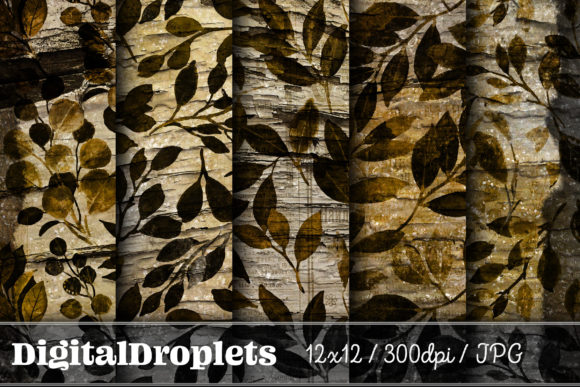
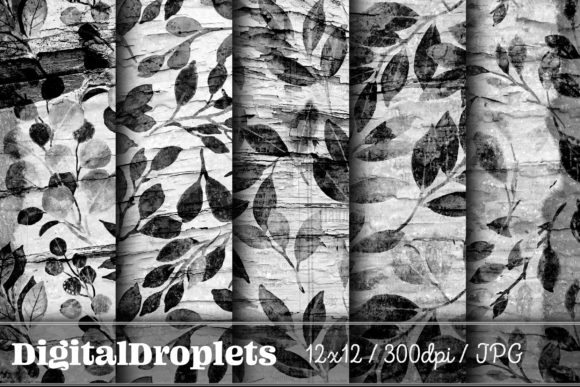
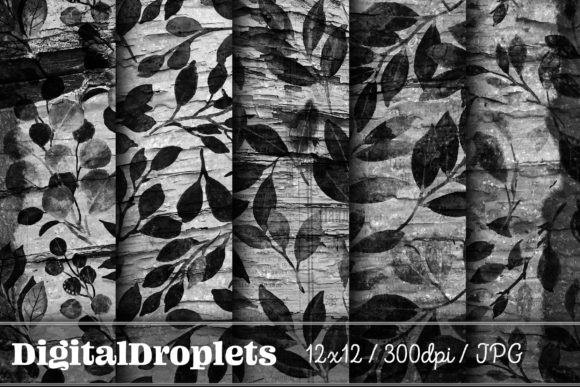
The right texture can transform a flat digital canvas into a tactile experience, evoking emotion and setting a specific mood. For designers seeking to blend organic elements with a sense of history, the Leaves in the Wind Vol. 10 | Collection offers a compelling solution. This set of ten 12x12 papers layers intricate leaf patterns over vintage newspaper textures, creating a versatile asset that bridges the gap between natural aesthetics and editorial charm.
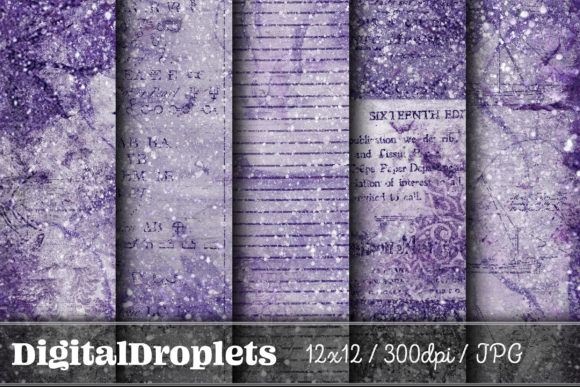
Understanding the components of this collection is key to leveraging its full potential. Each paper is unique, featuring a distinct leaf motif and a custom border. A subtle, sparkly damask texture is woven into the background, adding a layer of sophistication without overpowering the primary elements. This careful balance is crucial in visual design, where the goal is to add depth and interest while maintaining clarity. The high-resolution 300dpi JPEG files ensure that these details remain crisp, whether used in digital web design or scaled for print design projects.
Practical Applications in Branding and Marketing
For branding and logo design, textures like these can establish a brand's personality. A vintage leaf pattern might be perfect for a boutique, a botanical shop, or an artisanal product line looking to convey authenticity and a connection to nature. The newspaper background adds a layer of intellectual, heritage-inspired narrative, suitable for brands in publishing, education, or specialty crafts.
In marketing materials and social media graphics, these papers serve as dynamic backgrounds. They provide visual interest that makes text pop and frames imagery effectively. Consider using them for:
- Social Media Posts: Create cohesive Instagram story backgrounds or Pinterest pins that stand out in a crowded feed.
- Digital Advertising: Use as a background for promotional banners, ensuring your call-to-action is placed on a visually stable yet engaging surface.
- Email Marketing: Design email headers or section dividers that add a touch of elegance and break up text-heavy content.
The versatility extends to physical applications. These textures are ideal for creating custom washi tape designs, gift wrap, tags, and invitations. In packaging design, a pattern from this collection could wrap a product box, instantly communicating its vintage-inspired, craft-focused origin. The included borders also function beautifully as standalone elements for cards or planner stickers.
Integrating Texture into Your Design Workflow
When incorporating textured assets like the Leaves in the Wind set, thoughtful application is essential to uphold visual hierarchy and readability. Here are a few professional tips:
- Adjust Opacity and Blending: Overlay the texture at a reduced opacity or use blending modes like "Multiply" or "Soft Light" in your design software. This allows the texture to enhance your background without competing with foreground elements like typography or logos.
- Use as a Focal Frame: Instead of a full background, use the textured paper as a frame or a central panel. This draws the eye and creates a deliberate point of interest within your composition.
- Consider Your Color Palette: While the papers have a neutral, vintage base, they can be tinted or paired with a complementary color palette. Soft greens, browns, and creams work naturally, but don't shy away from contrasting modern hues to create a fresh, contemporary look.
- Test for Scalability: Always test your asset at the intended output size. A texture that looks great on a screen may need adjustment for a large-format print to ensure detail remains visible without becoming noisy.
The true value of a resource like the Leaves in the Wind Vol. 10 | Collection lies in its ability to streamline your creative workflow while elevating the final output. By providing a ready-made, cohesive set of textures, it saves hours of searching for or creating individual elements. This efficiency allows designers, marketers, and creators to focus on the broader aspects of their project—storytelling, user experience, and strategic messaging.
Ultimately, the most impactful design choices are those that serve a purpose beyond mere decoration. A well-chosen texture can evoke nostalgia, suggest quality, and create a sensory connection with the audience. By selecting premium, versatile assets that align with your project's goals, you ensure that every visual element works in harmony to communicate your message with clarity and aesthetic appeal.