Vintage Inspired Christmas Vol. 5: A Designer's Nostalgic Toolkit
Imagine unwrapping a box of heirloom ornaments, each piece telling a story of Christmases past. That's the feeling evoked by Vintage Inspired Christmas Vol. 5, a meticulously crafted collection of digital papers designed to infuse your creative projects with timeless warmth and sophisticated nostalgia. This set isn't just about festive patterns; it's a curated visual language for designers seeking to blend classic charm with contemporary application.
Deconstructing the Design: More Than Meets the Eye
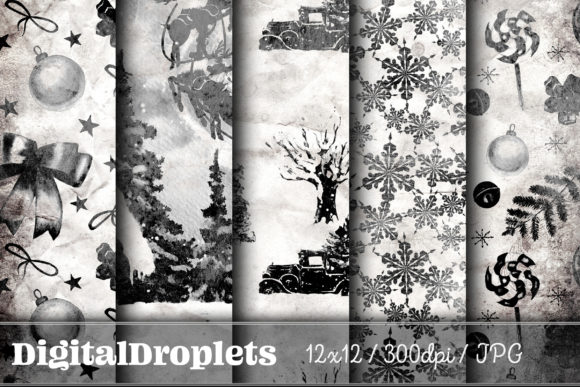
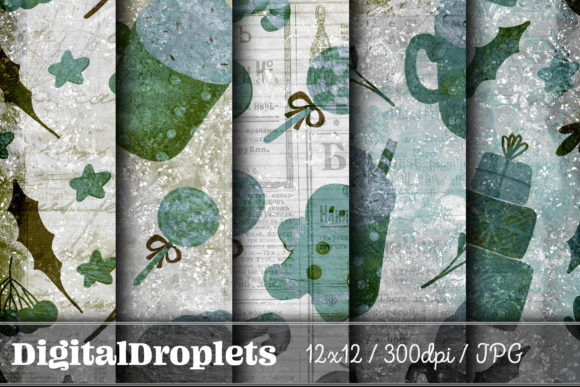
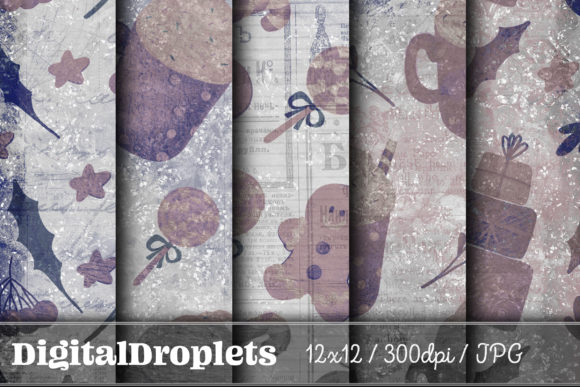
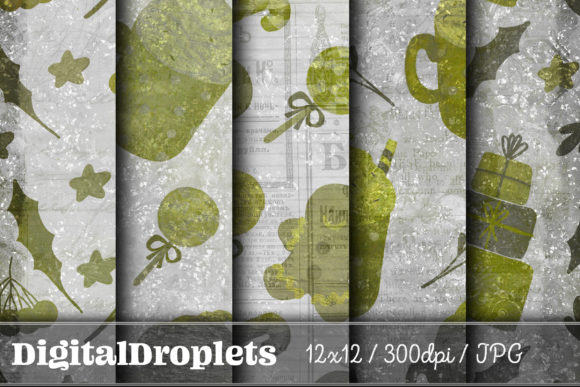
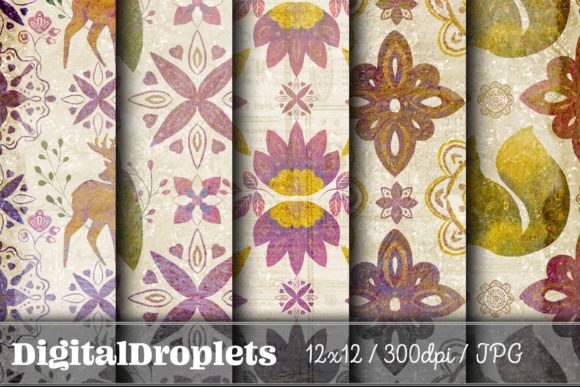
At its core, this collection is a masterclass in layered texture and thoughtful composition. The foundation is a vintage newspaper texture, providing an authentic, slightly worn base that adds depth and historical context. Overlaid are nordic winter motifs—think classic snowflakes, reindeer, and geometric patterns—each unique to its page. The subtle integration of a sparkly damask texture introduces a touch of elegant shimmer, preventing the design from feeling flat and adding a premium, tactile quality. Each of the ten 12x12 inch, 300dpi papers also features a distinct border, offering built-in framing for your compositions.
Understanding these elements is key to using them effectively. The vintage base provides instant brand storytelling, suggesting heritage and authenticity. The nordic motifs deliver clear seasonal communication, while the damask overlay adds a layer of luxury. This combination makes the asset incredibly versatile for a range of visual design applications.
Practical Applications Across Design Disciplines
The true value of a resource like Vintage Inspired Christmas Vol. 5 lies in its adaptability. Here’s how it can elevate projects across different fields:
- Brand Identity & Marketing: Use the textures as backgrounds for holiday social media campaigns, email headers, or website banners. They can inspire a cohesive color palette for a seasonal brand refresh, adding a unique, handcrafted feel to digital marketing materials.
- Print & Editorial Design: These papers are ideal for creating scrapbook pages, junk journal spreads, and unique greeting cards. In editorial design, they can serve as beautiful backgrounds for magazine features or packaging design for artisanal holiday products.
- Digital Products & UI Elements: Cut out the motifs to create custom washi tape strips, planner stickers, or decorative tags. The textures can be used as subtle backgrounds in UI design for a festive app theme or as part of a holiday-themed web design mockup.
- Merchandise & Home Decor: From printable wall art and invitations to gift wrap and presentation slides, the possibilities extend to any medium where a touch of nostalgic elegance is desired.
Integrating Vintage Assets into a Modern Workflow
Successfully incorporating vintage elements requires a strategic approach to maintain visual hierarchy and clarity. Consider these tips:
- Balance is Key: Pair these richly textured papers with clean, modern typography and ample white space. A sans-serif font can create a beautiful contrast, ensuring readability while letting the vintage background shine.
- Color Harmony: While the papers have their own palette, you can sample colors from them to ensure your text, logos, and other graphic elements create a harmonious and professional presentation.
- Purposeful Use: Ask what role the texture plays. Is it the main attraction or a subtle background? Use the border frames to guide the viewer's eye and establish a clear focal point, enhancing the overall user experience.
Ultimately, choosing the right creative assets is a fundamental part of a efficient design workflow. A resource like Vintage Inspired Christmas Vol. 5 provides a ready-made foundation of high-quality, thematically cohesive elements. It empowers designers to move beyond generic templates, enabling the creation of work with distinct personality and emotional resonance. By thoughtfully applying such assets, you can transform a simple project into a compelling visual story that connects with your audience on a deeper level, proving that great design is as much about feeling as it is about form.